
Continuous Hydraulic Oil Removal,
Lower Overflow Risk During Heavy Rain
A rail yard installed a FRIESS oil skimmer on its drainage oil separator to continuously remove separated hydraulic oil, reducing the risk of accumulated oil being carried into a nearby stream during heavy rain. GSM communication supports remote management at the isolated site, while heated components enable winter operation.
Background
Many tracks use hydraulic brakes to slow freight cars travelling without an onboard driver. Exposed to harsh conditions and high pressure, hydraulic hoses rupture repeatedly. The large site makes locating leaks and replacing damaged hoses time-consuming.
- The Problem
- The Solution
- Remote Control of the Oil Skimmer
- More About FRIESS Oil Skimmers
Until repairs are completed, hydraulic oil escapes from ruptured hoses in large quantities and seeps into the ground. Oil contamination occurred repeatedly across the site, but no permanent solution had been found.
The Problem
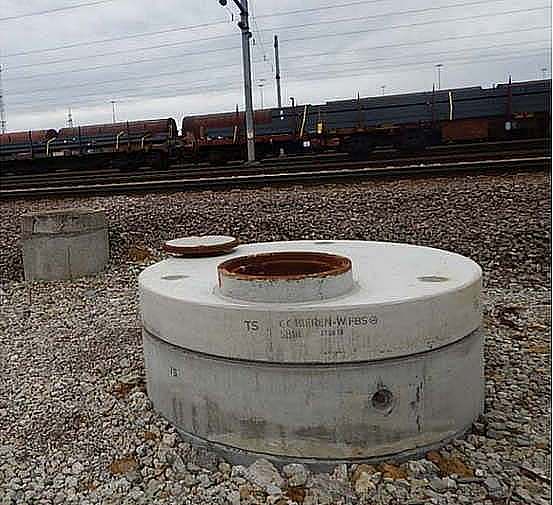
The Solution: FRIESS Oil Skimmer
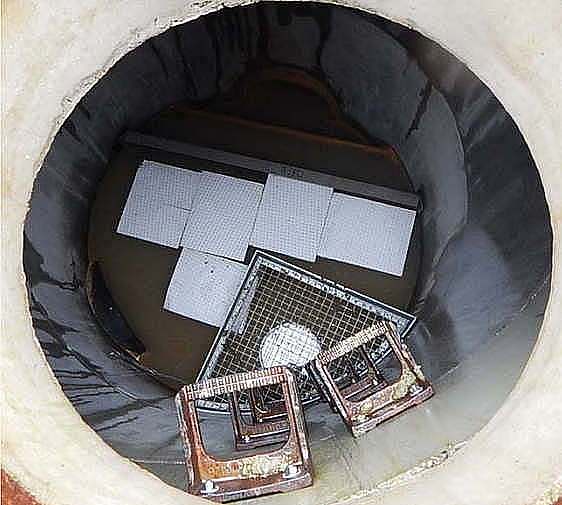
To address the problem, the railway operator turned to a respected water engineering company specializing in environmental protection. The engineers recognized the potential of an oil skimmer and contacted FRIESS.
During an on-site inspection, the team developed a solution: install a FRIESS oil skimmer on the oil separator so that separated hydraulic oil is removed continuously. This prevents excessive oil from accumulating in the separator and being carried away during heavy rainfall.
Remote Control with a GSM Module
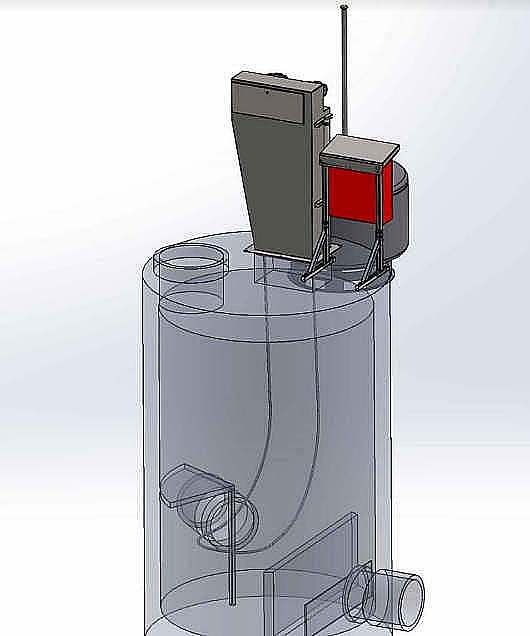
At the railway operator’s request, the standard control system was equipped with a GSM module because the oil skimmer was installed at a remote location. This allows the system to communicate with the responsible personnel without requiring an on-site visit.
To ensure safe winter operation and prevent freezing, all relevant system components were fitted with heating.
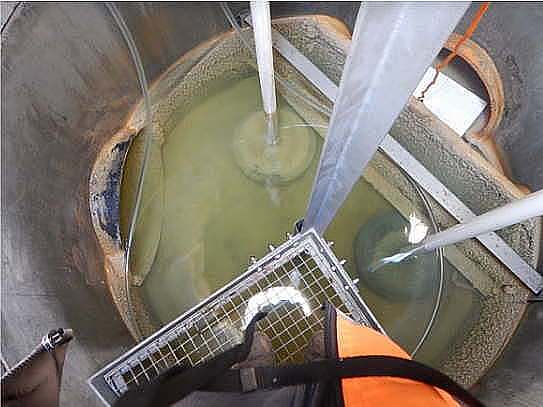
Floating oil at your stormwater outlet and changing contamination loads during rainfall?
Please share your collection-basin dimensions, stormwater flow range, oil sources, maximum oil concentration, liquid-level fluctuations, available installation space and discharge targets. Our China engineering team can recommend an oil skimmer model, floating collection-tube layout and automatic start-stop arrangement for your site conditions.