
Fault-Free After About Two Weeks, Five More Systems Purchased
A plastic-packaging manufacturer rented an EFR D8 for three months to clean an 11-year-old injection moulding machine that had suffered hydraulic failures roughly every two weeks. Although early oil analyses showed only limited improvement, the machine operated without faults about two weeks after installation. After 2,000 hours, the cleaning elements were heavily loaded with oxidation products and sludge. The plant subsequently purchased five additional oil cleaning systems.
Case Background
A major manufacturer of plastic packaging systems operated 30 injection moulding machines. The machine supplier recommended changing the hydraulic oil every year in addition to using the standard filtration system.
Because each machine held approximately 1,000 to 3,000 litres of oil, the operator extended the oil-change interval to four years. With the longer service period, hydraulic problems and servo-valve malfunctions appeared, particularly on older machines.
One 11-year-old machine recorded a hydraulic failure about every two weeks. With repair costs and production losses rising sharply, maintenance personnel looked for an oil-care system that could reliably remove the underlying causes.
Previous Filtration Did Not Resolve the Failures
The machine manufacturer recommended returning to annual oil changes, but this was rejected because of cost.
The operator then purchased a bypass filtration system. Particle counts improved, yet machine failures and hydraulic downtime remained high.
Even a later bypass fine filter with cellulose-based elements brought no improvement.

Solution: FRIESS EFR D8 Electrostatic Oil Cleaning
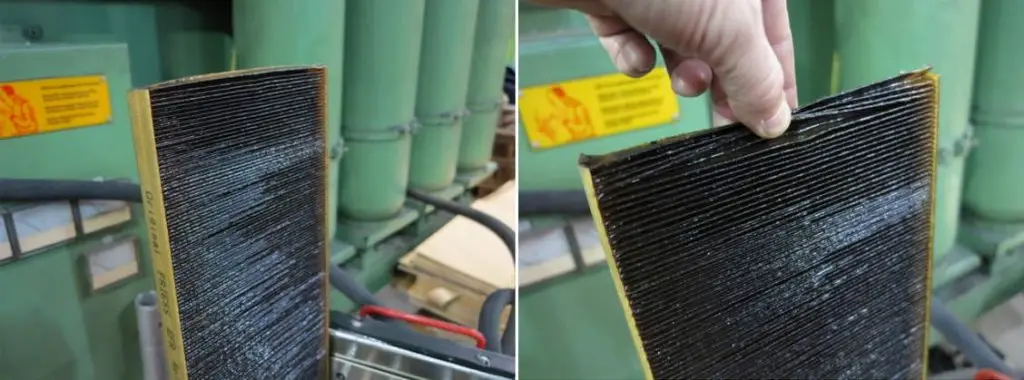
After searching online, maintenance personnel contacted FRIESS GmbH. Previous disappointing experience with an additional fine filtration system made the operator sceptical that electrostatic oil cleaning would help. To test the technology, the company rented a D8 oil cleaning system for three months. Initial oil analyses showed only a slight improvement in oil cleanliness. However, after 2,000 operating hours, the D8 cleaning elements were heavily loaded with oxidation products and sludge.

Cleaning Results
Although the initial oil analyses did not show a major improvement, the injection moulding machine ran completely fault-free about two weeks after the D8 was installed. Failures that had occurred every two weeks fell directly to zero.
The oil analyses taken during cleaning did not tell the whole story. After 11 years of operation and an extended oil service life, large quantities of oxidation products and contaminants had accumulated throughout the hydraulic system. Electrostatic cleaning removed sludge and fine particles from the oil, restoring its ability to dissolve deposits already present in the system.
As varnish and oxidation products were removed from the oil, existing deposits detached from internal surfaces, remained suspended, and were transported to the EFR system for removal. System-wide contamination continued to decline even though early oil analyses did not immediately reflect the improvement.
The result on the first machine was so positive that the plant purchased five additional oil cleaning systems to restore the most heavily loaded and critical hydraulic systems.
Results at a Glance
- Injection moulding machines have operated fault-free since installation—the failure rate fell to zero
- FRIESS EFR removes sludge, fine particles and oxidation products from hydraulic oil
- The cleaned oil can again dissolve varnish and oxidation deposits already present in the hydraulic system

For hydraulic-system operators:
FRIESS also provides on-site hydraulic-oil analysis and purification services. Equipment repairs and spare-parts supply are not included.
Hydraulic oil varnish and oxidation products causing sticking valves and recurring failures?
Please share your hydraulic oil grade, reservoir volume, system temperature, signs of varnish or oxidation products, cleanliness level, failure records and current filtration method. Our China engineering team can recommend an EFR D8 electrostatic cleaning configuration, bypass flow rate and operating schedule based on your oil condition.