
Coolant Testing Guide: Concentration, pH and Nitrite Checks
Coolant Testing and Maintenance in Metalworking
TECHNICAL GUIDE | COOLANT TESTING AND MAINTENANCE
Why must water-miscible coolant be tested regularly?
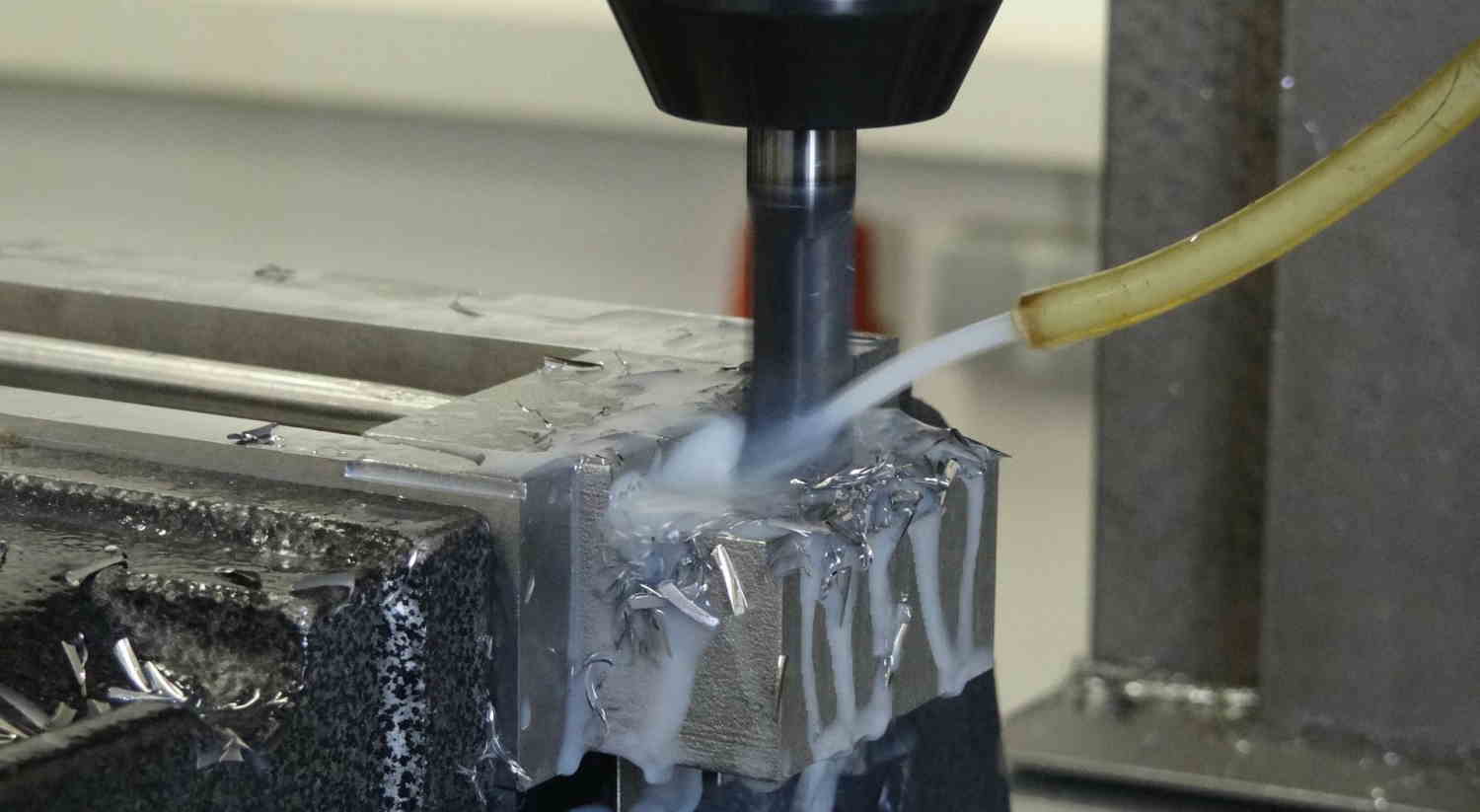
During operation, metalworking coolant is continually affected by metal particles, tramp oil, microorganisms and make-up water. Monitoring concentration, pH, nitrite and contamination reveals adverse trends before odour, corrosion, tool wear or batch rejects occur.
Daily
Check appearance, odour, foam, floating oil and visible deposits
Weekly
Measure and record concentration, pH and nitrite
20 mg/L
Nitrite action threshold cited in the German guidance
Continuous records
Link readings to topping up, filtration and oil-removal measures
Guide Navigation
Jump directly to each section
Purpose and Core Parameters
Maintaining coolant performance means identifying trends through scheduled testing instead of waiting until the fluid fails. German guidance refers to TRGS 611 and DGUV Rule 109-003 for the monitoring and documentation of water-miscible metalworking fluids. Operators in other countries should also follow local regulations, occupational-health procedures and the coolant supplier’s instructions.
PROCESS STABILITY
Avoid machining variation
Incorrect concentration, excessive particles or tramp oil impair cooling, lubrication and chip removal and can increase scratches, dimensional errors and rejects.
OCCUPATIONAL HEALTH
Detect microbial problems early
Changes in appearance, odour or pH can indicate bacterial or fungal activity. Contaminated coolant can contribute to respiratory disorders, skin conditions and eye irritation, so unusual changes should be investigated promptly.
FOUR CORE PARAMETERS
Track trends, not isolated readings
Evaluate concentration, pH, nitrite and contamination together with historical data, make-up volume and maintenance actions.
Concentration and Tramp Oil Are Not the Same
Water-miscible coolant is prepared from concentrate and water in a defined ratio. The correct working concentration determines lubrication, corrosion protection and cooling performance. Always use the target range and refractometer factor specified by the fluid supplier.
WORKING CONCENTRATION
Measure with a refractometer
The reading reflects the liquid’s refractive index. Multiply it by the product-specific refractometer factor to calculate the actual concentration; visual appearance and oil-film thickness are not reliable measures.
TRAMP OIL
Slideway, hydraulic and carry-in oils
These oils are not active concentrate. They can destabilise the emulsion and create an oxygen-blocking surface film that favours anaerobic microorganisms.
Floating tramp oil can be removed continuously with an oil skimmer. If tank turbulence keeps the oil dispersed, use a bypass oil separator to provide a calm separation zone before removing the oil by skimming, overflow or standpipe.
pH and Nitrite: Find the Cause Before Adjusting
pH
Indicates the overall fluid condition
Measure with suitable test paper or strips. A high reading may indicate alkaline cleaner contamination; a low reading can result from microbial activity, acidic contaminants or make-up water. Never interpret pH as a direct measure of oil content.
Determine the cause before correcting the pH. If microbial contamination is confirmed, the response may range from targeted treatment with a compatible biocide to a partial or complete fluid change, depending on severity. Always follow the coolant supplier’s instructions and site occupational-health requirements.
NITRITE
Monitor occupational-health risk
Use dedicated strips or test sticks. Nitrite may originate in the make-up water or develop during service, so compare results with local water-supply data and investigate any increase.
Above 20 mg/L nitrite: German guidance calls for investigation and reduction measures, such as a partial or complete fluid change. Confirm compatibility before using nitrosamine inhibitors, biocides or other chemicals, and involve the fluid supplier or an occupational-health specialist. See the DGUV information on nitrosamine-formation inhibitors (German PDF).
Particle Contamination and Filtration
Typical signs of excessive particles include shorter tool life, defective workpiece surfaces, faster microbial growth, pump and nozzle wear and accelerated fluid deterioration.
Membrane analysis draws a coolant sample through a filter membrane so the quantity, size and material of retained particles can be assessed microscopically.
A practical example is the FRIESS FMF magnetic-filter case study, where precision-ground steering components required reliable particle removal to protect surface quality.

- Belt filters: continuous removal of larger particles from machining-centre return flow.
- Suction filters: primarily protect pumps and do not provide fine filtration of the complete system.
- Bypass filters: continuously remove finer particles outside the main circuit.
- Magnetic filters: efficient for ferromagnetic particles from steel and cast iron without disposable media. Depending on the alloy and magnetic response, applications can also include some stainless-steel machining and carbide grinding; verify suitability for the process material.
- Bag or candle filters: suitable for non-magnetic particles from aluminium, brass or copper.
Daily and Weekly Checks with a Refractometer
Before starting each day
Visual and odour inspection
Before work begins, check appearance and odour. Look for colour changes, foam, residues, an increased surface oil film, floating metal debris and an oily biofilm that may indicate fungal or bacterial growth. A putrid, rancid or sour odour should be recorded and its cause investigated.
For recognition, prevention and corrective measures, see Microbial Contamination in Coolant: Detection and Prevention.
At least weekly
Measure and record core parameters
Compare concentration, pH and nitrite against the target range and historical trend, and enter both the measured values and the observed physical condition in the inspection log. A handheld refractometer makes it practical to check concentration daily when required; it should be checked at least weekly. Increase the frequency under heavy loads or unstable conditions.
Basic handheld refractometer procedure
01 Clean and zero
Use suitable water according to the instrument instructions and keep the prism clean.
02 Take a representative sample
Avoid sampling only from the floating oil layer or close to bottom deposits.
03 Read the scale
Read the Brix scale or digital value under suitable lighting.
04 Apply the factor
Multiply the reading by the coolant’s product-specific refractometer factor.
Test Plans and Maintenance Records
For water-miscible coolant in Germany, DGUV Rule 109-003 requires an inspection plan. A separate, traceable record for each machine or measuring point should show which checks were performed and place readings, unusual observations and corrective actions on one timeline.
Consistent records make contamination trends visible and allow maintenance results to be evaluated. A practical reference is the DGUV sample inspection plan for water-miscible coolants (German PDF).
Date, operator, machine or measuring point
Coolant product, tank volume and initial fill date
Working concentration, pH and nitrite
Water hardness, heavy metals and company-specific parameters
Refractometer model or factor, observations and notes
Top-ups, fluid changes, oil removal, filtration and biocide treatment
Documenting maintenance makes it possible to verify whether skimmers, magnetic filters or bypass systems actually reduce contamination, extend fluid life and lower costs.
Frequently Asked Questions
Q1
What should be tested in water-miscible coolant?
Inspect appearance and odour daily. Measure concentration, pH and nitrite at least weekly, adding contamination, water hardness or other parameters when the site risk requires it.
Q2
Why can a fluid change still be necessary after purification?
Nitrogen-containing constituents and other nutrients can support microbial growth, and the microbial population commonly increases as coolant remains in service. Treatment stages, filtration and oil removal can extend fluid life by reducing contamination.
An oil skimmer can remove floating bacteria-rich biofilm together with tramp oil, but it does not disinfect the complete system or reverse formulation ageing. Replace the coolant correctly when a severe infection, instability or loss of performance cannot be restored.
Q3
How is working concentration measured?
Read the value with a refractometer, apply the product-specific factor and compare the result with the supplier’s target range.
Q4
What if the concentration is too high or too low?
First confirm the instrument, sampling and calculation. Treat contamination separately with suitable purification stages such as oil skimming and magnetic filtration; these remove tramp oil or particles but do not replace concentration correction.
Correct a high concentration with suitable make-up water or low-concentration premix; correct a low concentration with a higher-concentration premix. Adjust gradually with the system circulating and follow the coolant supplier’s instructions rather than making a large correction with neat concentrate or water based on a single reading.
Important: Base every concentration, pH or chemical-treatment decision on the coolant data sheet, supplier instructions and site risk assessment. This guide supports a testing strategy; it does not replace company occupational-health or process requirements.