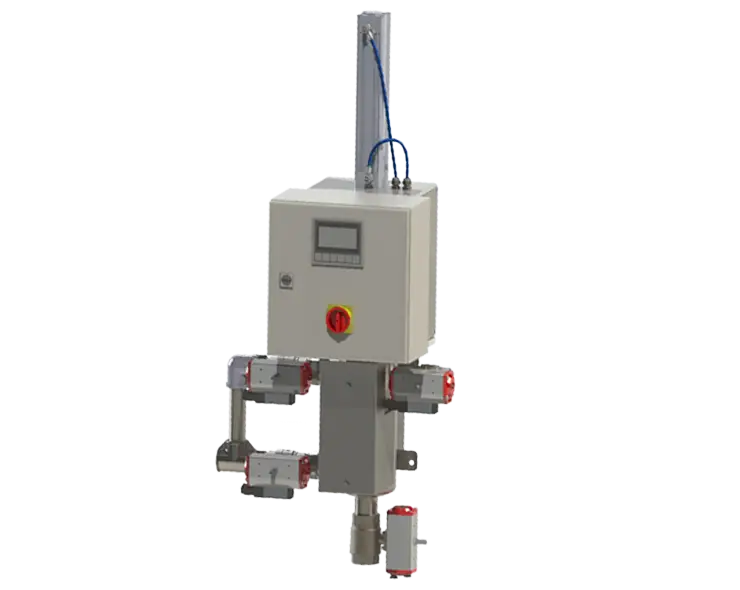
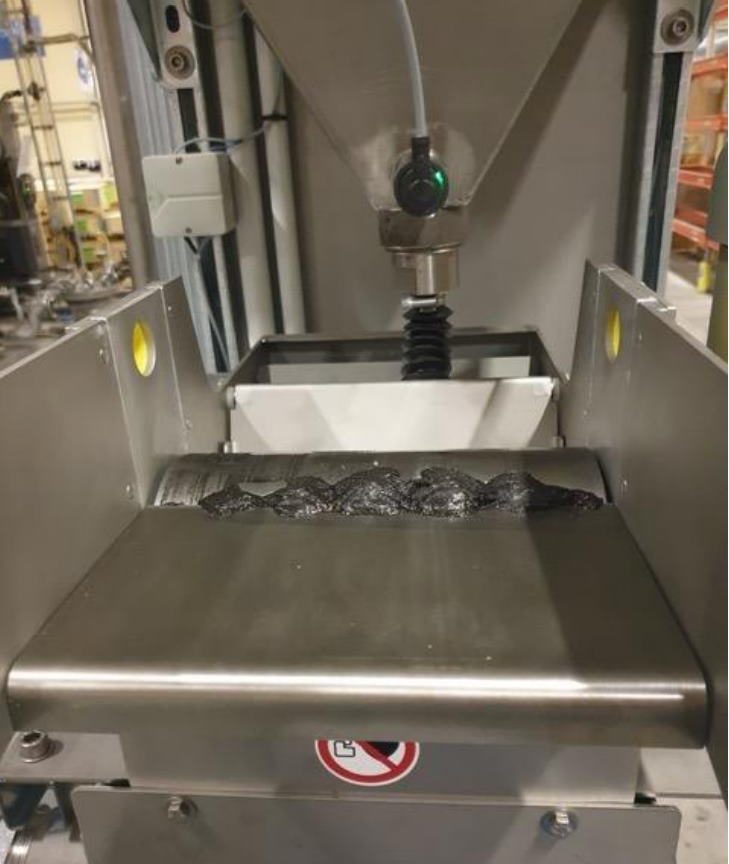
Automatic cleaning and sludge discharge for automated production lines. Captures fine ferromagnetic particles from grinding, honing, washing and other metalworking fluids.
PLC-controlled cleaning · No disposable filter media The controller coordinates valves, magnetic rods and sludge discharge to complete the cleaning cycle automatically.
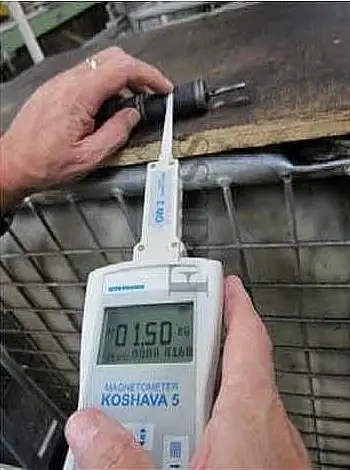
ASMF captures ferromagnetic particles and uses PLC-controlled cleaning for automated production lines. Test weakly magnetic particles, including stainless steel, with a sample; suitability also depends on fluid properties, temperature and flow.
Filtration and Operating Requirements
ASMF uses three or five rods containing neodymium magnets to capture ferromagnetic fines. Particles around 1 µm may be captured under suitable conditions; actual performance depends on magnetic response, fluid properties, flow and cleaning intervals. No disposable filter paper or cartridges are needed, reducing filter-media purchasing and waste. Operating costs still include controls, actuators, utilities, circulation, maintenance and sludge disposal.
No disposable filter paper or cartridges are needed. Permanent-magnet capture needs no separate electrical supply, but the PLC, actuators, compressed air and fluid circulation require utilities. Allow for inspection and maintenance.
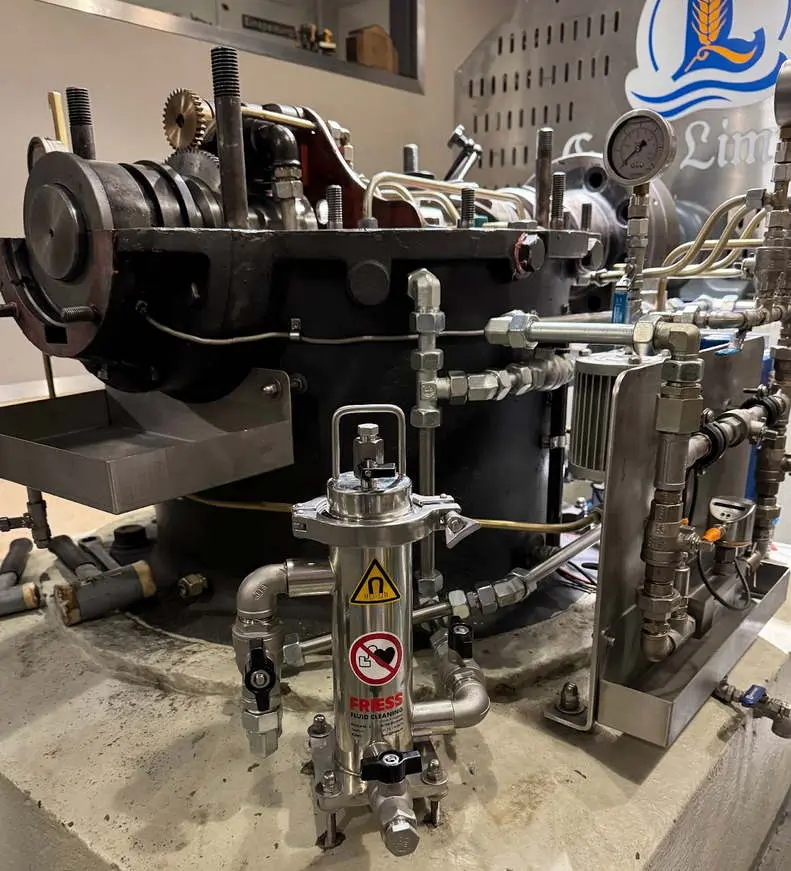
In this cast-iron machining case, FMF 310/3 removed fine iron particles while site records showed low coolant bacteria. Magnetic filtration is not a disinfection process.
A FRIESS FMF magnetic filter removed fine ferrous contamination from a 50-litre water-glycol solar circuit and protects sensitive stainless-steel components.
FMF 420/6 grinding-coolant case: sample analysis found no detectable particles, surface quality improved, and no further grinding complaints were recorded.
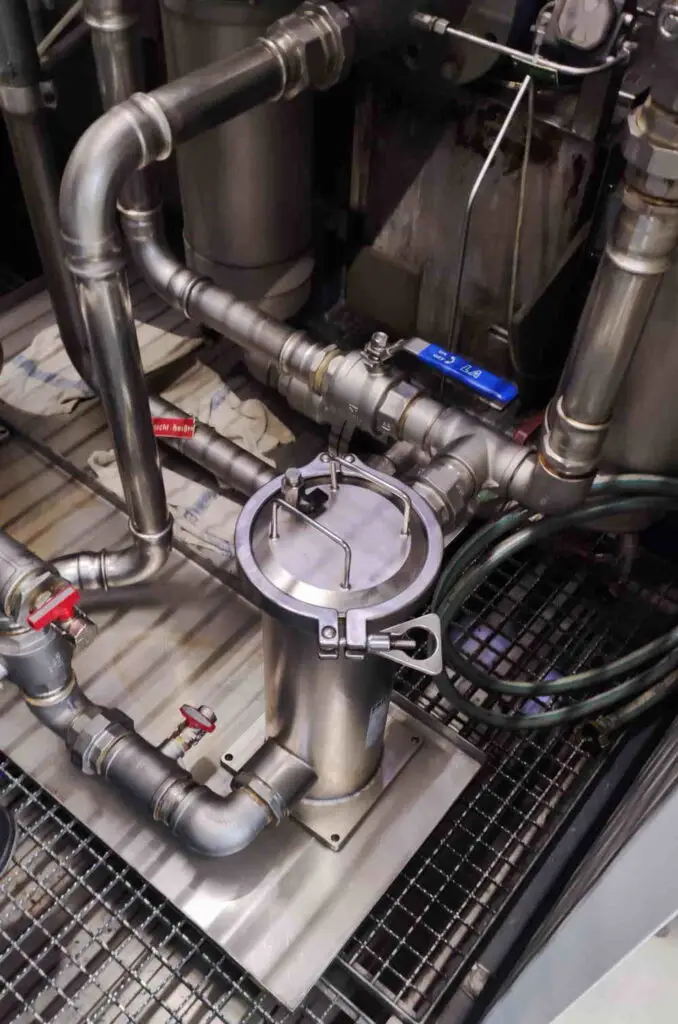
Hoerbiger uses FRIESS FMF magnetic filters to remove metal chips from coolant and cleaning media, eliminate nozzle blockages and extend filter service life fourfold.
Skimmtelligent Mini separates free tramp oil and coalescible droplets from coolant and wash water. Fluid care still requires condition and microbial monitoring.
Q1: What is the difference between the ASMF and SMF magnetic filters? A: The ASMF executes its cleaning cycle automatically under PLC control. Filtration pauses during cleaning, so confirm the site’s continuous-supply arrangement; automatic cleaning does not replace inspection or maintenance. The SMF is cleaned semi-automatically using external levers. Neither system needs disposable filter media.
Q2: How does the ASMF automatic cleaning cycle work? A: The system closes the inlet and outlet valves, withdraws the magnets from their sleeves and opens the sludge-discharge valve. The collected particles are discharged automatically with a small volume of fluid. Set the flushing program using the equipment instructions and site conditions; filtration resumes when cleaning is complete.
Q3: Which processes and industries are suitable for the ASMF? A: Grinding, honing, EDM, industrial washing, surface pretreatment, quenching and hardening, test benches and other metalworking processes that generate ferromagnetic particles. For highly automated lines with limited staffing, assess ASMF against the production and cleaning requirements. Confirm factory-control connections and remote-monitoring functions for the specific configuration.
Q4: Which ASMF sizes are available?
ASMF 3: three magnetic filter rods; up to 150 L/min of water-based fluid.
ASMF 5: five magnetic filter rods; up to 300 L/min of water-based fluid.
Select the appropriate size according to process flow and contamination load.
Q5: Does the ASMF require consumables? A: No. The ASMF uses neodymium magnetism and requires neither filter paper nor cartridges. Permanent-magnet capture needs no separate electrical supply, but automatic cleaning controls, actuators, compressed air and fluid circulation require utilities and maintenance.
Share fluid type, flow rate, temperature, pressure and magnetic particle load, plus operating hours, supply needs during cleaning, sludge-discharge space and compressed-air availability. We will recommend an ASMF model, cleaning setup and system connections.