Microbial Contamination in Coolant: How to Detect, Prevent and Treat It
The cleanliness of cutting fluids and coolants (KSS) is not only a prerequisite for producing defect-free, high-quality precision components; it also helps reduce the health risks associated with contaminated fluids. Contact with microbially contaminated lubricants can lead to skin disease, respiratory illness and allergic reactions.
To provide the performance required for high-precision metalworking, a KSS formulation may contain as many as 50 components. Microbial contamination is usually not caused by a single species, but by a mixed population of bacteria, yeasts and moulds.
Microbial metabolism alters the original formulation and may produce harmful metabolites; it can also transform existing components into other substances with potentially carcinogenic effects. KSS must therefore be managed correctly and monitored and documented continuously as required to protect operators.
A putrid or “rotten egg” smell often indicates increasing anaerobic decomposition.
Discolouration
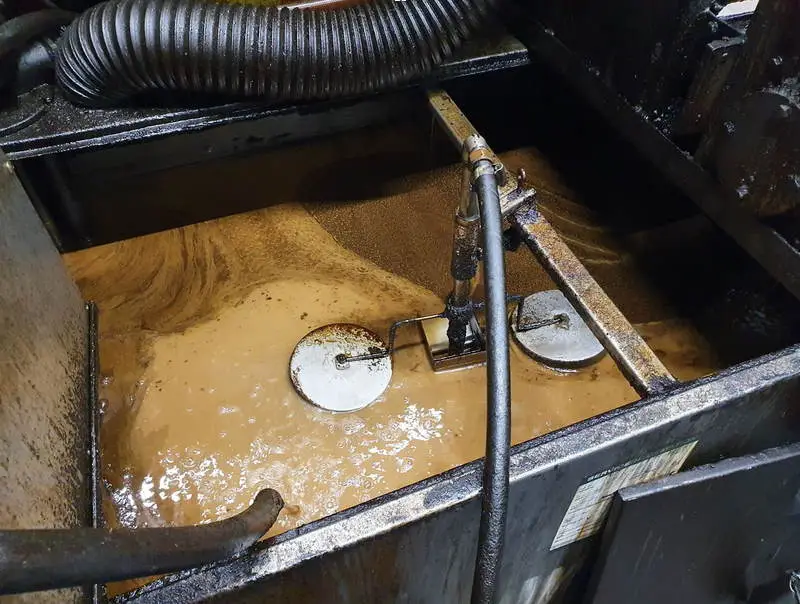
Grey-black, brown or unusually cloudy fluid may be linked to microbial growth, sludge and decomposition products.
Foaming
A sudden increase in foam can indicate that microbial metabolites are disrupting the emulsion.
Trends
Trends in pH, nitrite, hardness and nitrate can reveal abnormal conditions early.
02
Early Detection
Do not rely on odour alone: combine sensory checks with data trends
Odour and Appearance
Putrid or sour odours, obvious discolouration, increased sediment or emulsion separation all require further investigation. A normal smell does not necessarily mean that microbial counts are acceptable.
Foaming and Machining Performance
Abnormal foaming, reduced cooling performance, shorter tool life, workpiece corrosion or fluctuating surface quality may result from a combination of fluid chemistry and microbial activity.
On-Site and Laboratory Testing
Regularly record concentration, pH, nitrite, hardness and temperature. If nitrate rises above the initial value, include microbial activity in the investigation. Use laboratory analysis when necessary to identify organisms and contamination levels.
pH
Watch for a sustained decline
NO₂⁻ / NO₃⁻
Compare trends with the initial value
Colonies and Appearance
Laboratory analysis when required
Why Monitor the Nitrate Trend?
During the nitrogen cycle, microorganisms can break down nitrogen-containing organic compounds and form nitrate. Nitrate in coolant that remains in service should therefore be compared with the initial value of freshly mixed fluid rather than interpreted from a single reading. Fixed sampling locations, test intervals and record formats are needed to determine whether the fluid is becoming unstable. See the Coolant Testing Guide: Concentration, pH and Nitrite Checks.
03
Causes of Contamination
Temperature, nutrients, dead zones and tramp oil create ideal growth conditions
Microorganisms can enter through make-up water, workpieces, personnel, air or equipment surfaces. They use tramp oil, cleaner residues, fine particles and organic components of the emulsion as nutrients, multiplying quickly in warm, low-flow or oxygen-poor areas.
Tramp oil covering the surface:Restricts oxygen exchange and promotes anaerobic conditions below the surface.
Return-flow and pipe dead zones:Low flow encourages biofilm formation and repeated contamination of the main tank.
Uncontrolled concentration or pH:Weakens the formulation’s inherent stability and microbial resistance.
Continuous contaminant ingress:Slideway oil, hydraulic oil, fine metal particles and organic residues feed microbial populations.
Key Point
Disinfection can only reduce microbial counts temporarily. If tramp oil, particles, dead zones and concentration deviations remain, contamination is likely to return.
Continuous removal of tramp oil and particles, combined with effective circulation, reduces available nutrients and low-oxygen zones.
04
Prevention First
Use consistent routine maintenance to prevent rapid microbial growth
Control Make-Up Water and Concentration
Mix the fluid according to the supplier’s instructions, use suitable water quality and regularly verify concentration, pH and temperature. Avoid incorrect ratios and frequent unmeasured additions.
Inspect the liquid surface, odour and foam daily; measure concentration and pH on schedule; and regularly clean filters, tank bottoms and return-flow dead zones. Preventive maintenance usually costs less than treating an entire contaminated system.
05
Reducing Existing Microbial Counts
Thermal treatment and biocides each have specific limits
Thermal Treatment
Cutting fluids, drilling emulsions or drilling fluids can be heated in a controlled process to about 65 °C to substantially reduce bacterial and fungal counts. The method introduces no biocide or other foreign substance and can serve as a sustainable, environmentally friendly supplement to KSS filtration.
Drawbacks include relatively high energy demand, whose cost impact increases with treated volume. Equipment suitability, temperature uniformity and the formulation’s temperature tolerance must be assessed before implementation.
Approx. 65 °C
No added biocide
Assess energy use
Biocides
Biocides can reduce microbial counts quickly, but the product must be compatible with the coolant formulation and used in strict accordance with dosage, occupational-safety and regulatory requirements. Under the CLP system, some products may be classified as hazardous; improper use can irritate skin, eyes and mucous membranes or cause allergic reactions.
Use only on professional advice
Avoid overdosing
Use appropriate PPE
Treatment Principle
Thermal treatment or biocides only reduce microbial counts; they do not replace tramp-oil removal, filtration, cleaning dead zones, or correcting concentration and pH deviations. The coolant supplier, occupational-safety personnel or a qualified service provider should select the method based on microbial counts, fluid condition and the root cause of contamination.
06
Severe Deterioration
Once the fluid has become unstable, complete fluid replacement is usually necessary
Severely deteriorated KSS often cannot be restored by disinfection alone. Microorganisms metabolise formulation components and alter the original composition until the fluid no longer provides the required performance. The fluid should then be completely replaced while the causes of bacterial or mould contamination are identified and eliminated.
Confirm the contamination level, fluid chemistry and likely sources.
Drain the old fluid correctly and dispose of it in accordance with local requirements.
Clean the tank, pipework, pumps, filters and low-flow dead zones.
Rinse thoroughly so that old fluid, biofilm and cleaner residues are not left behind.
Mix the replacement fluid in the correct sequence and resume scheduled monitoring records.
Address the Root Cause at the Same Time
Check the sources of tramp oil, return-flow design, surface coverage, shutdown duration, make-up water quality and concentration control. All equipment components must be thoroughly cleaned and rinsed before new KSS is added; otherwise contaminated residues can act as an inoculum and rapidly contaminate the fresh fluid.
07
Maintenance Conclusions
Move from reactive treatment to continuous control of contamination conditions
Continuous testing, documentation and maintenance of KSS are essential not only for workpiece quality, but also for the occupational health of metalworking personnel. If action begins only after odour or visible discolouration appears, the least costly intervention point has usually passed.
The choice of preventive filtration equipment depends on tank size, contaminant types and process requirements. An effective, sustainable solution should continuously remove tramp oil and particles while maintaining fluid mixing, oxygen exchange and stable operating parameters.
Compared with repeated emergency dosing, continuous control of contamination conditions is more effective in extending KSS service life, protecting employees and stabilising machining quality.
Effective KSS maintenance can extend fluid service life so substantially that the necessary equipment often pays for itself within a short period and subsequently delivers significant cost savings.
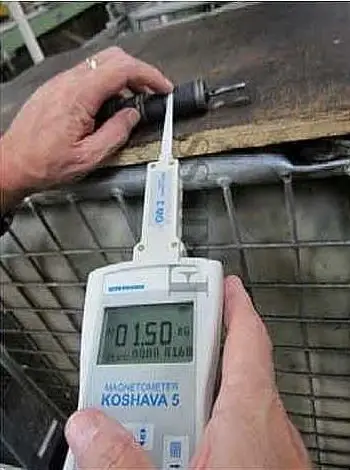
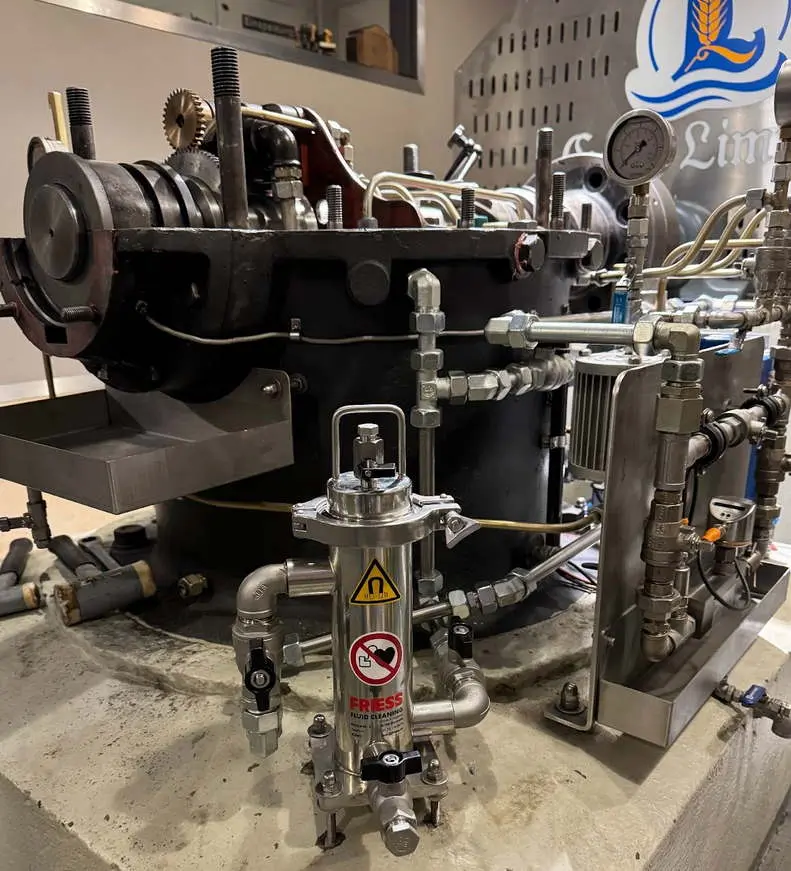
A FRIESS FMF magnetic filter removed fine ferrous contamination from a 50-litre water-glycol solar circuit and protects sensitive stainless-steel components.
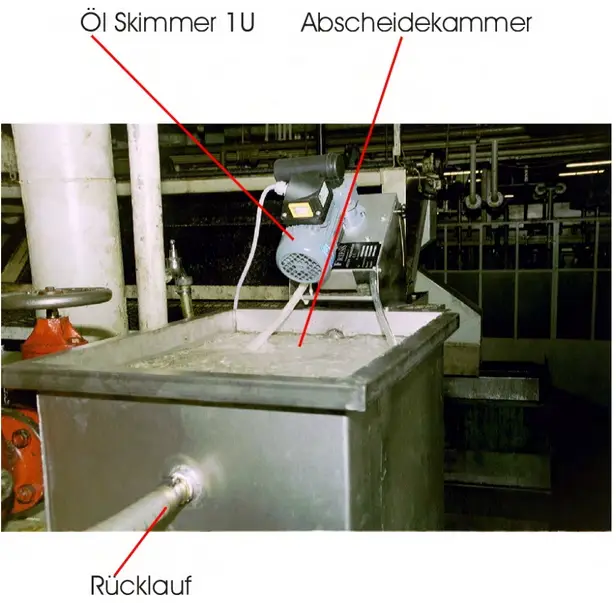
Two FRIESS 1U oil skimmers continuously remove floating oil from SPAX wash and rinse tanks, replacing a high-maintenance oil-water separator and safeguarding screw hardening quality.
A FRIESS EFR D16 removed oxidation products and varnish from two 12,000-litre aluminum extrusion press hydraulic systems and restored fault-free servo-valve operation.
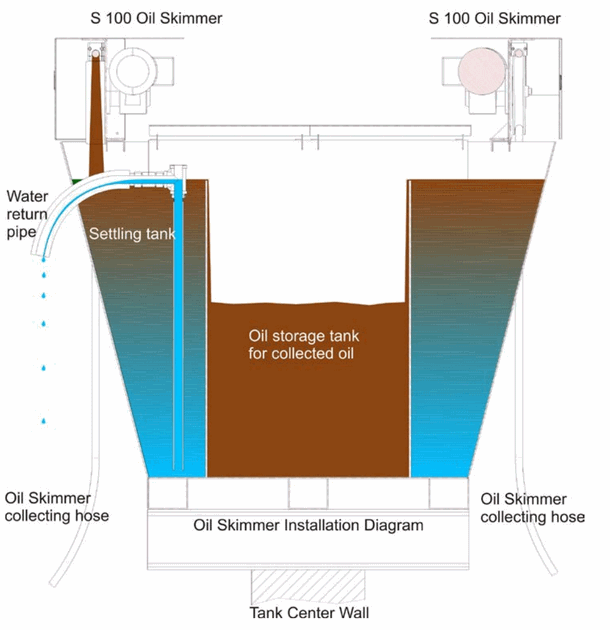
A FRIESS S100 oil skimmer replaced a maintenance-intensive mop skimmer in a steel mill clarifier, cutting conversion costs below one year of previous repair expenses.
A FRIESS EFR D8 electrostatic oil cleaner extended hydraulic-oil life from about two months to several years and reduced steel mill hydraulic failures by 70%.
A European gearbox plant used a FRIESS EFR D8 electrostatic oil cleaner to reduce hydraulic-oil particles larger than 4 µm by about 90% in a 23-hour test.
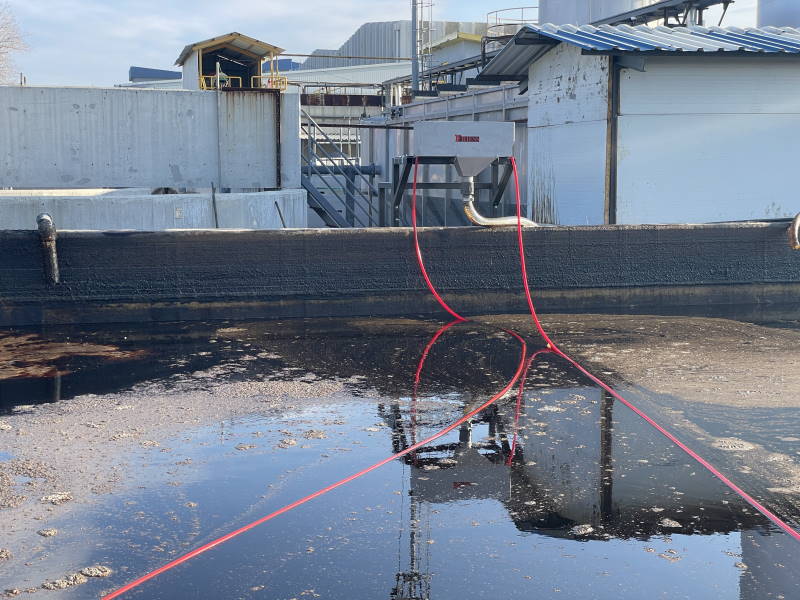
A FRIESS W40 hose oil skimmer removes a thick floating fat layer from process wastewater at the Plukon Food Group, reducing odour, disposal costs and treatment disruption.
A FRIESS EFR D8 electrostatic oil cleaner reduced hydraulic failures from two per year to zero, cut machine-filter consumption by 75% and eliminated oil changes.
A FRIESS Model 2H tube oil skimmer removes hydrocarbon contamination from refinery groundwater wells and, after initial cleanup, needs only about five minutes of operation per week.
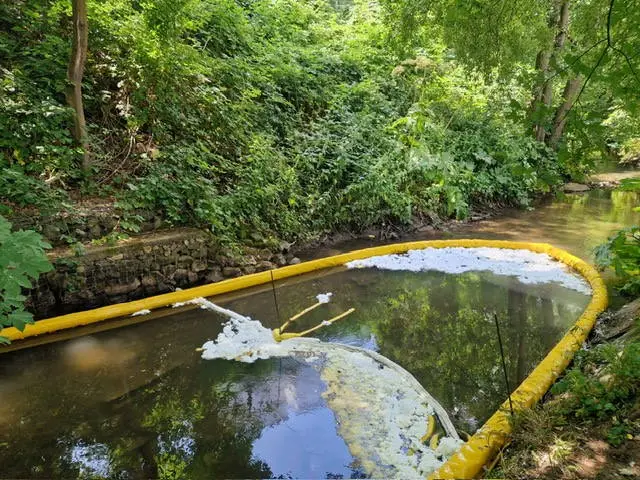
A FRIESS S100 tube oil skimmer removed approximately 10,000 litres of spilled transformer oil from an inaccessible river site, preventing major environmental damage within a cost-effective response.
A practical guide to monitoring coolant concentration, pH, nitrite and microbial contamination so adverse trends can be corrected before odour, corrosion, tool wear or rejects occur.
A FRIESS Skimmtelligent oil separator keeps tramp oil below 50 L in a 30 m³ central coolant system, extends emulsion life to one year and pays back in under six months.
A FRIESS S100 oil skimmer automatically removes floating fat from food-industry process wastewater before treatment, reducing the load on downstream separation and treatment processes.
A FRIESS FMF 420/6 magnetic filter removed particles larger than 1 µm from grinding coolant, improved component surface quality and eliminated rejects caused by scratches and grooves.
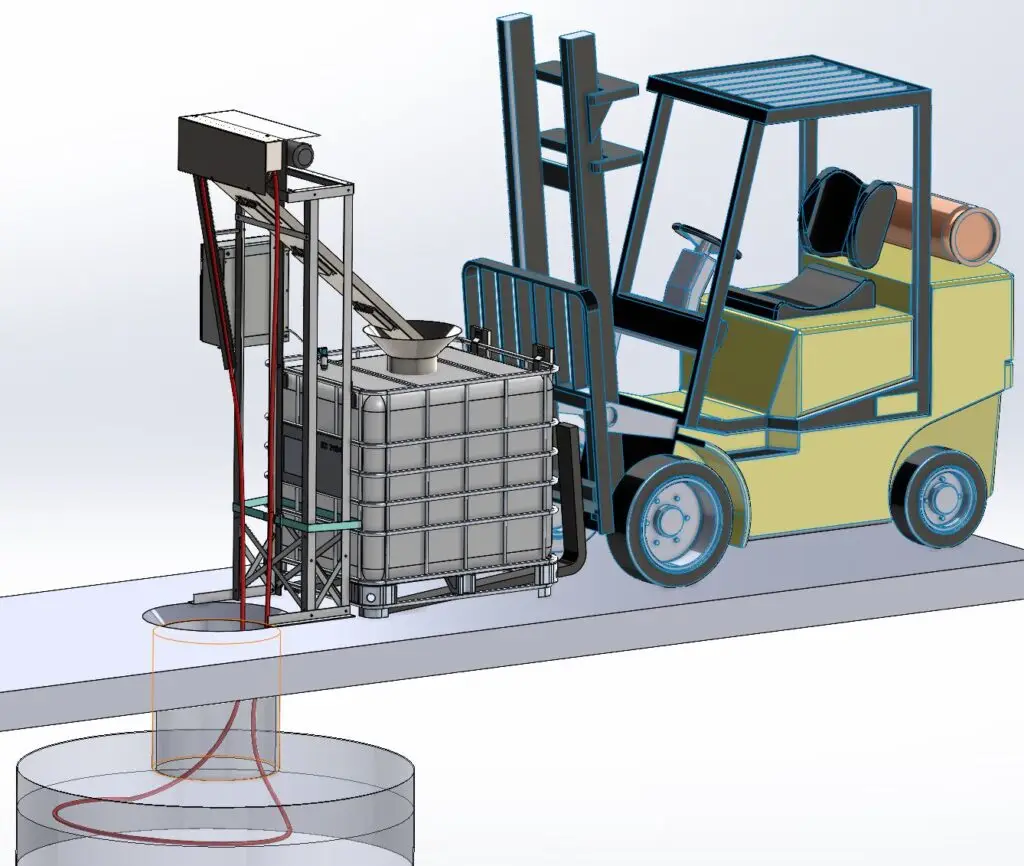
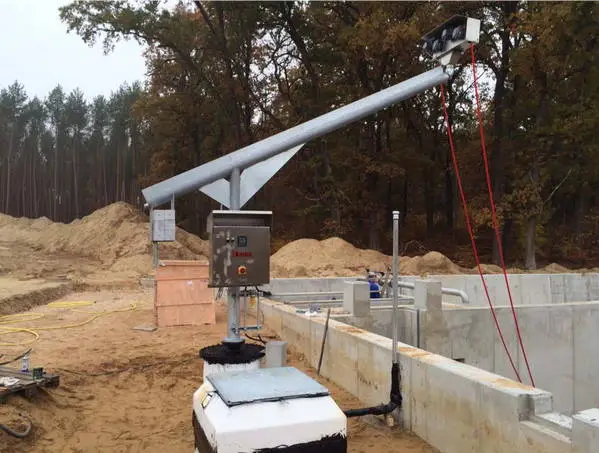
FRIESS S100 oil skimmers remove floating oil from tank wash water at three German Armed Forces sites using custom swivel booms, collection tanks and remote monitoring.
An 11-year-old injection moulding machine failed every two weeks; FRIESS EFR D8 removed sludge, fine particles and oxidation products, reducing failures to zero.
Four FRIESS EFR D16 electrostatic oil cleaners treated 120,000 litres of HLP 46 hydraulic oil, removed oxidation products and reduced the MPC value from 60 to 8.
A FRIESS W20 oil skimmer removes viscous oil, grease and release-agent residues from air scrubber wash water while preventing blockages and eliminating manual cleaning.
A FRIESS S100 oil skimmer removes floating oil from steel mill cooling-water clarifiers, reducing hydrocarbon carryover and the load on downstream gravel filters.
Particle contamination damages hydraulic components; FRIESS EFR electrostatic oil cleaning removes particles from 0.05 µm to over 100 µm and can reduce related failures by up to 90%.
The FRIESS Skimmtelligent Mini oil separator removes finely dispersed tramp oil from emulsions and wash water, reducing microbial growth and extending fluid life.
At a large metalworking plant with around 300 machine tools, a FRIESS 1U oil skimmer reduced coolant contamination, extended service life from weeks to one year and paid back in under six months.
A FRIESS EFR D16 with automatic particle monitoring reduced hydraulic faults on four automotive presses by more than 80%, with payback in under six months.
FRIESS ASMF 5 filters honing oil at 150 L/min, removes ferrous particles down to 1 µm without consumables, and returns cleaned backwash fluid to the process.
FRIESS VOD 16 and EFR D2 units removed more than one litre of condensate and fine contamination from 1,500 litres of hydraulic oil, restoring reliable cement-mill operation.
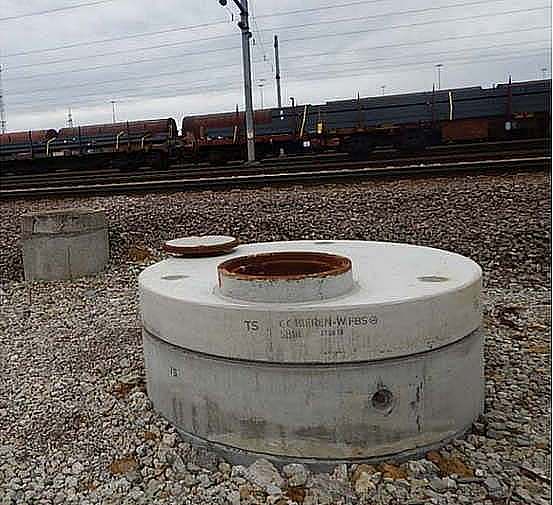
A FRIESS tube oil skimmer continuously removes leaked hydraulic oil from a rail yard’s surface drainage system, protecting a nearby river during heavy rain.
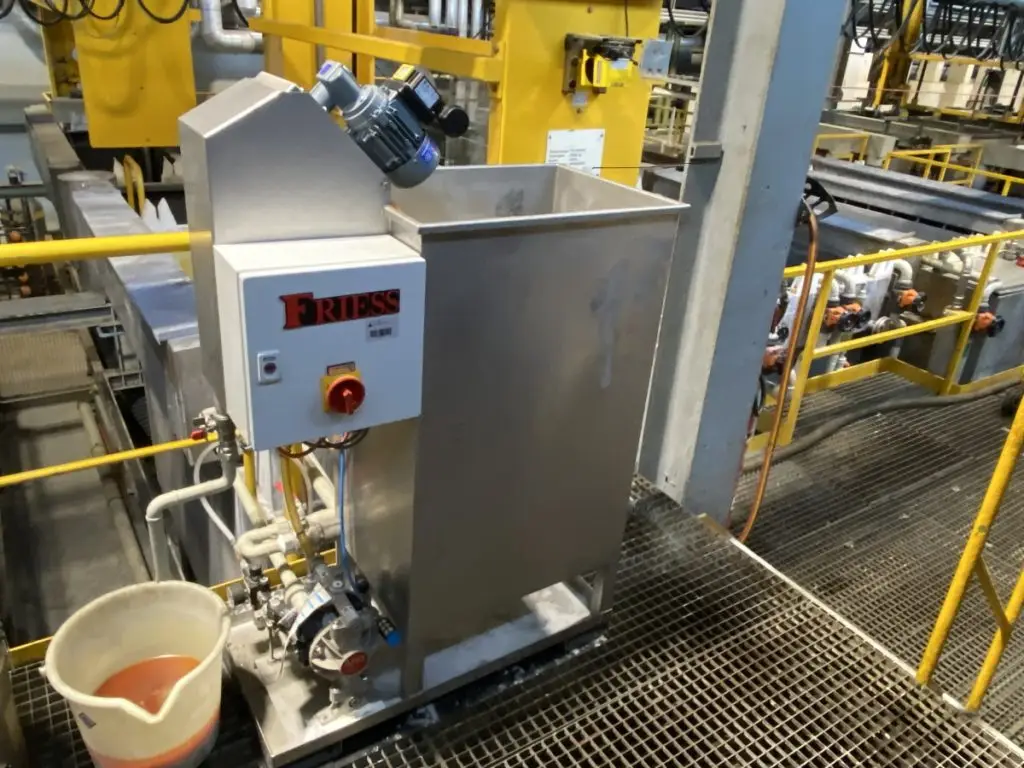
FRIESS Skimmtelligent continuously removes oil from a degreasing bath, reducing chemical consumption, stabilising the process and protecting coating quality.
A W40 oil skimmer removes oil and graphite residues from automotive forging wastewater, automating collection and producing virtually oil-free effluent.
A practical guide to purifying metalworking coolant with magnetic filtration, oil skimming and fluid maintenance to extend service life and improve process reliability.
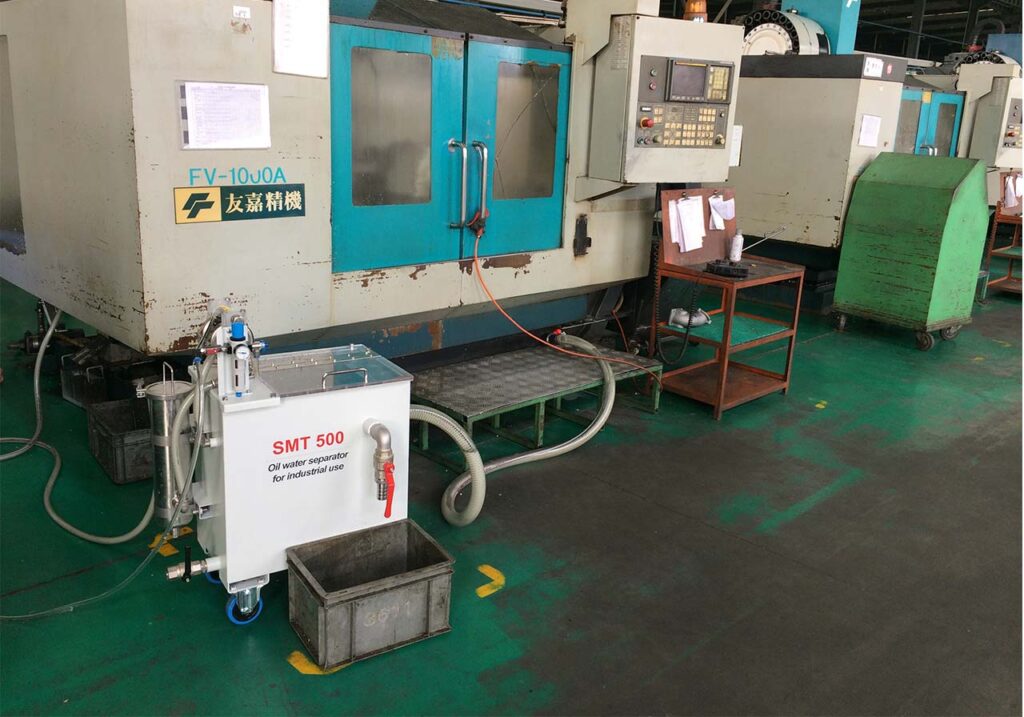
The FRIESS SMT500C uses mobile bypass circulation to remove tramp oil and suspended particles from machining-centre coolant sumps, improving fluid stability and reducing maintenance.
After oil-bath hardening, a FRIESS Skimmtelligent 20 removes tramp oil from degreasing wash water so components can be cleaned reliably for downstream processing.
A FRIESS FMF 310/3 magnetic filter removed fine cast-iron particles, kept machinery clean and maintained low coolant bacteria without additional biocide.
A FRIESS W40 oil skimmer removed oil and grease from a steel mill cooling-water clarifier, protecting the downstream gravel filter for more than three years.